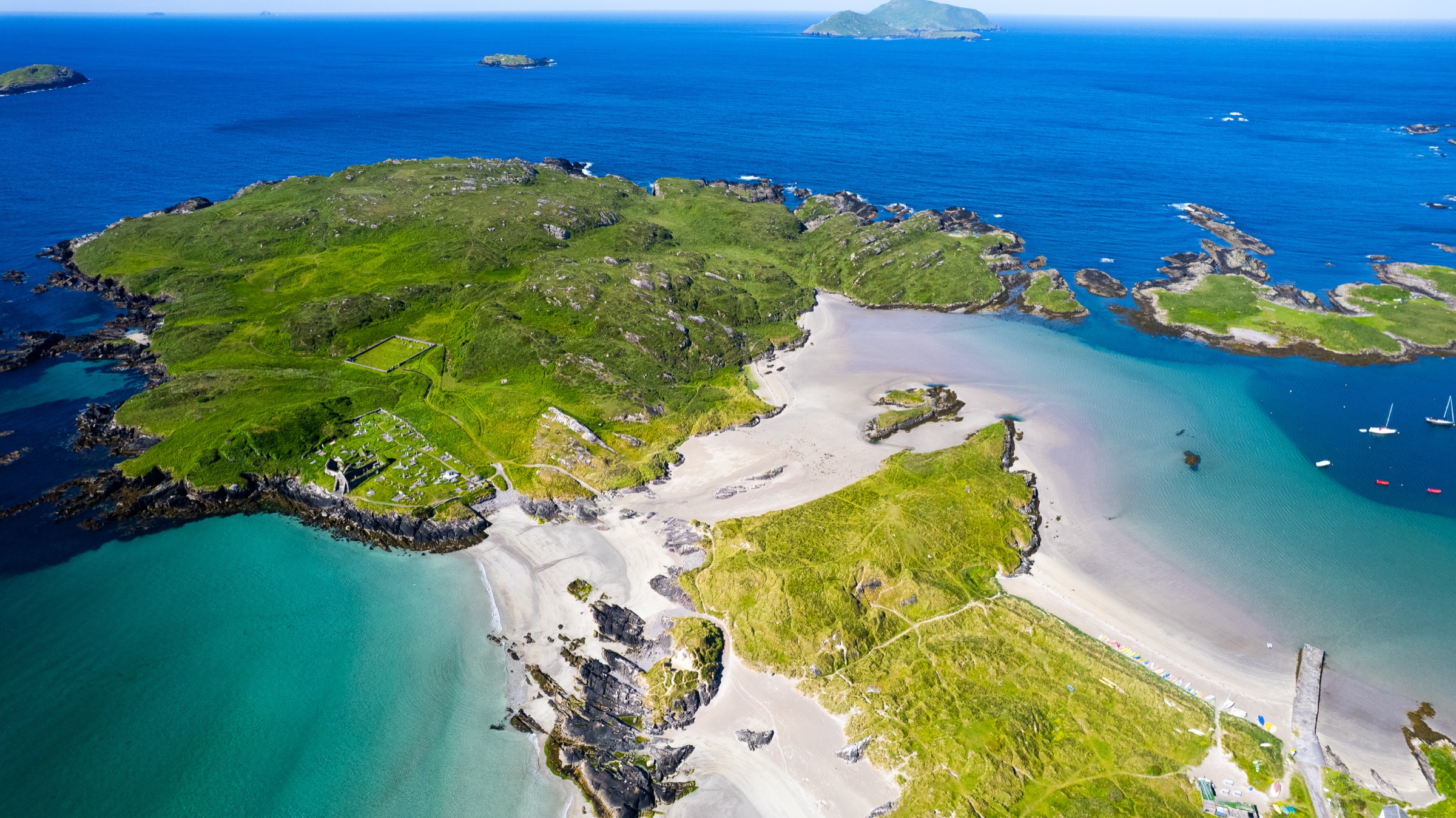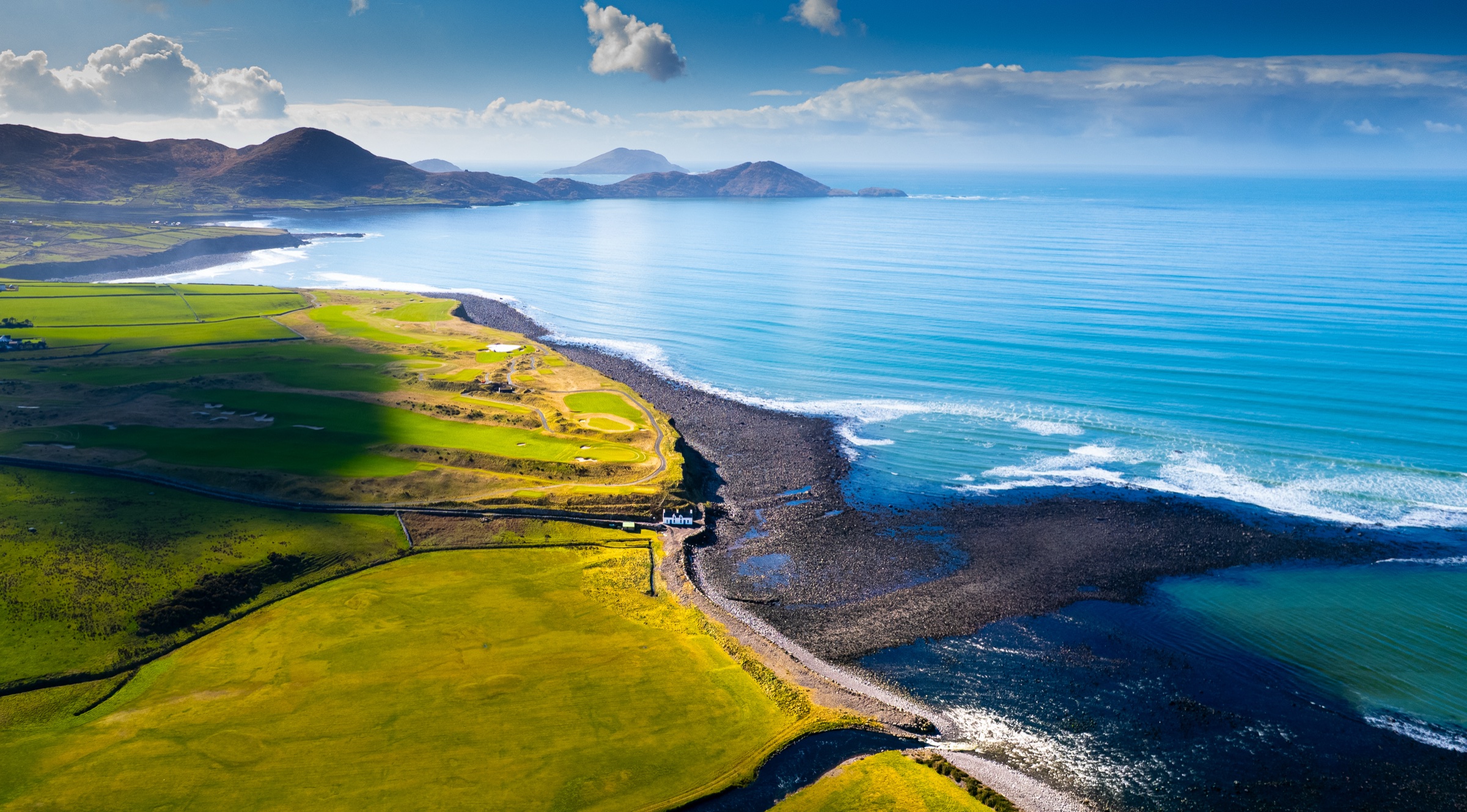
Like most places, the Ring of Kerry has a peak season and a quiet one. Unlike most places, the quiet season is arguably the better one. Here is how we would think about it.
June to August — the easy choice
Long evenings (sunset can be after 10 pm in June), reliably warm if rarely hot, all the boats running, all the cafés open, all the beaches lifeguarded. The downside is the traffic — the coastal road can move slowly behind tour buses in July and August, and the popular pull-ins (Coomakista, Ladies View, Moll’s Gap) get busy from mid-morning.
September and early October — our favourite
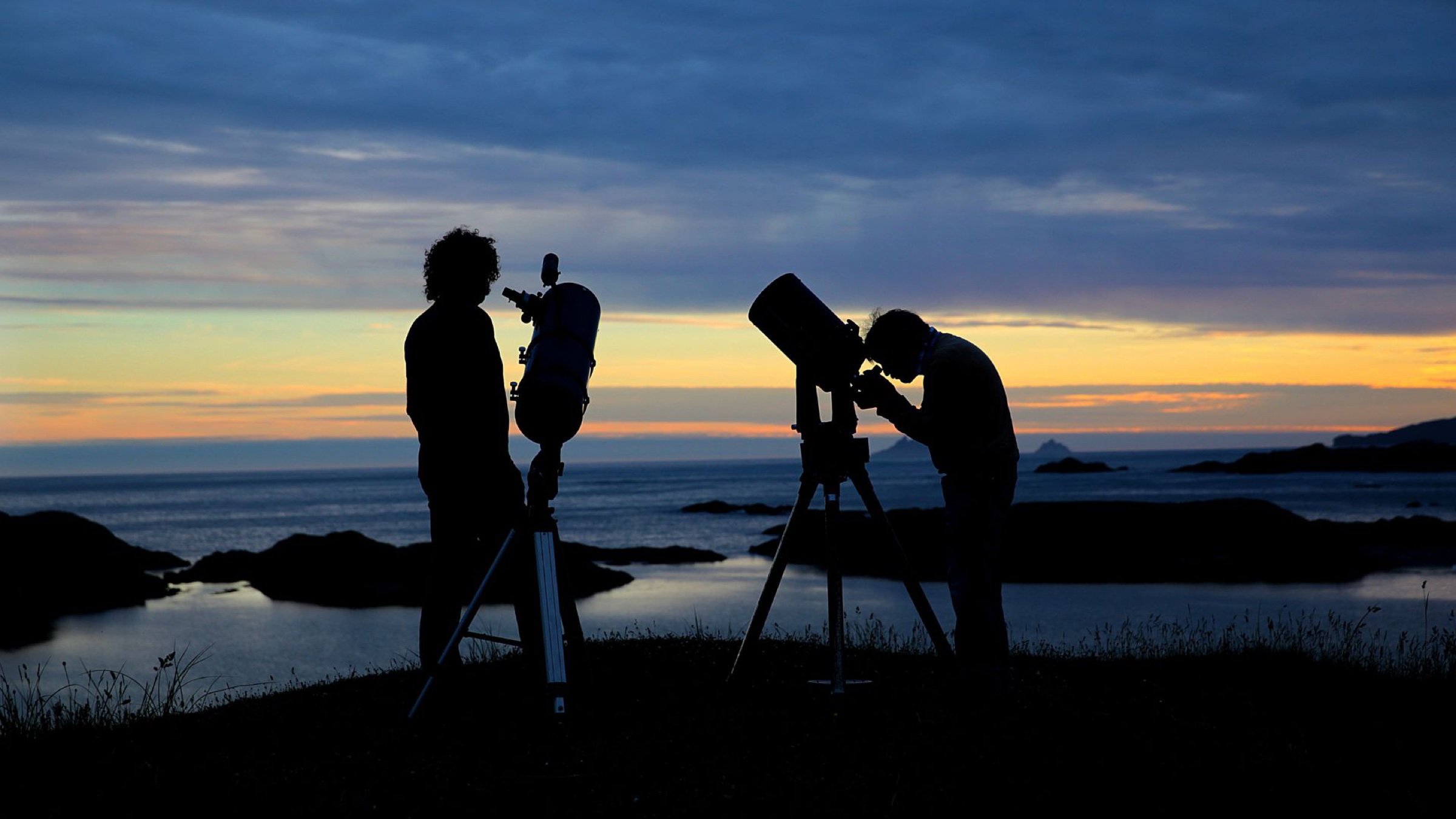
A real shoulder season. Warm days, fewer crowds, the seasonal businesses still running, and a quality of evening light that photographers travel a long way for. Sea temperatures are at their warmest in early September. Stargazing gets dramatically better as the nights lengthen.
November to February — for those who know
Quiet, often spectacularly clear, deeply atmospheric. Some seasonal businesses are closed but the hotel restaurant, bar and spa are open year-round, the trails are empty, and on the right day the bay is at its most painterly. A winter weekend here is one of our favourite recommendations for anyone wanting a real change of pace.
March to May — the awakening
Spring comes late and slowly to the coast — the gorse goes yellow first, then the heather, then the wildflowers in the dunes. Sea temperatures are still cold (8–10°C) but the days lengthen quickly. By May the place is properly awake again.
If we had to pick one week
The second week of September. Warm enough for sea swimming, quiet enough for a meal at any restaurant without booking weeks ahead, and just long enough on the days to do everything you want in daylight.